


A stainless steel production line is more than a sequence of machines. It is a carefully synchronized system that turns raw inputs into coils and sheets with precise chemistry, thickness, and surface quality. From the first melt to the final packaging, every step is designed to protect corrosion resistance, maintain tight tolerances, and deliver a predictable finish. This article walks through the core stages we focus on and explains why control at each point matters to the performance customers expect. The process begins with raw materials. We balance recycled stainless scrap with primary alloys like nickel, chromium, molybdenum, and manganese to meet grade specifications. In the melting stage, temperature and composition are monitored in real time. AOD or VOD refining reduces carbon and removes impurities, while precise alloy additions bring chemistry within narrow targets. This step sets the foundation for corrosion resistance, weldability, and mechanical strength. After refining, the molten steel is continuously cast into slabs. Consistent casting speed, controlled cooling, and clean tundish practices help prevent defects such as segregation, porosity, or surface cracks. Slab quality is critical because imperfections can be amplified during rolling. Our teams inspect slab surfaces, scarf when needed, and track heat numbers to preserve full traceability into the rolling stages. Hot rolling transforms the slab into a thinner, wider band. The steel is reheated in a furnace to a specific temperature range that supports plastic deformation without damaging the microstructure. A series of rolling stands reduce thickness while maintaining flatness and width control. Coil box management and finishing mill control are essential here, because they influence grain structure, mechanical properties, and surface condition downstream. After hot rolling, scale forms on the surface. Pickling removes this oxide layer using controlled acid baths, followed by rinsing and neutralization. Surface cleanliness is not just cosmetic. It is required for uniform cold rolling, consistent annealing, and high quality finishes such as 2B or BA. Proper pickling also prevents the introduction of surface defects that can compromise appearance in decorative or food grade applications. Cold rolling brings the material to final thickness and improves surface smoothness. Multiple passes may be required, especially for thinner gauges. Precision control of rolling pressure, speed, and lubrication keeps thickness uniform across the width. This is the stage where we target the tight tolerances many customers need for forming or stamping, and where surface quality begins to define the look of the final product. Annealing restores ductility after cold work. The steel passes through a controlled atmosphere furnace where temperature, time, and cooling rates are carefully managed. This step relieves internal stresses and refines the microstructure. For certain grades and applications, bright annealing is used to achieve a highly reflective surface. The balance between strength and formability is largely determined here. Skin pass or temper rolling provides final gauge control and surface texture. It can improve flatness and reduce coil set, which helps customers during processing. Depending on the specification, we can deliver different finishes such as 2B, BA, or No.4. Each finish requires calibrated rolls, consistent tension, and strict cleanliness to avoid scratches or roll marks. The finishing line includes inspection, slitting, and cut to length. High resolution surface inspection detects defects early. Slitting converts wide coils into narrower widths with burr control and edge quality checks. Cut to length lines produce sheets with exact dimensions and squareness. Throughout, we maintain identification tags and lot tracking so customers can link each shipment back to the original heat and process history. Quality assurance is embedded throughout the line, not only at the end. Mechanical testing, chemical analysis, surface inspection, and dimensional checks are performed at defined checkpoints. Documentation follows ISO standards to ensure consistency and traceability. If any deviation appears, the material can be isolated and corrective actions are taken immediately to protect downstream customers and maintain long term trust. Sustainability and efficiency also matter. Modern stainless steel production relies on energy recovery, water treatment systems, and optimized furnace control to reduce environmental impact. High scrap utilization keeps resources in circulation, and digital process monitoring helps minimize waste. These efforts support both cost stability and responsible manufacturing, which are increasingly important to global buyers. A reliable stainless steel production line is the result of disciplined control, skilled operators, and continuous improvement. At Ruixing, we invest in equipment, testing, and training to keep every stage aligned with customer requirements. Whether the need is structural performance, corrosion resistance, or aesthetic finish, the production line is designed to deliver the same dependable quality, coil after coil and sheet after sheet.
Ready to source stainless steel?
Talk to a manufacturer that replies within 24 hours.
Get factory-direct pricing, export packing support, and application guidance for sheets, coils, and pipes from Ruixing.
المنتجات المميزة
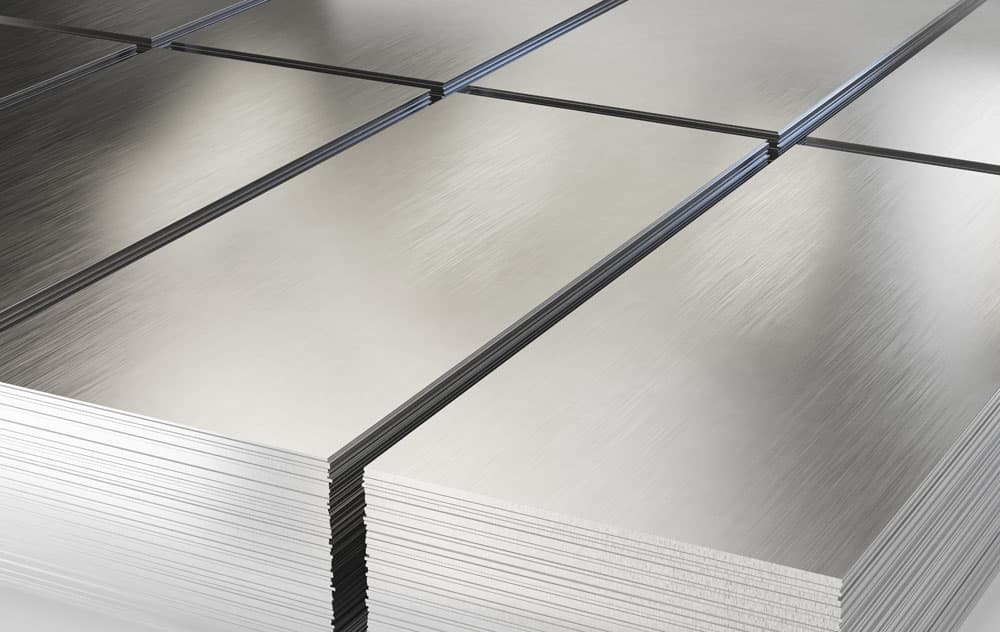
صفائح ستانلس ستيل 304/304L
أكثر الدرجات استخدامًا وتنوعًا، مع مقاومة ممتازة للتآكل وقابلية جيدة للتشكيل.
لفائف ستانلس ستيل 316/316L
درجة تحتوي على الموليبدينوم وتوفر مقاومة أعلى للتآكل خاصة في البيئات المحتوية على الكلوريد.
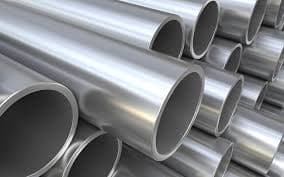
أنابيب دائرية ستانلس ستيل 201/304
أنابيب دائرية متعددة الاستخدامات مناسبة للتطبيقات الإنشائية والزخرفية.