

Stainless Steel Cutting Methods: Precision, Cost, and Material Impact
Stainless Steel Cutting Methods: Precision, Cost, and Material Impact
Selecting the right cutting method for stainless steel isn’t just about speed—it’s about balancing edge integrity, thermal distortion, post-processing requirements, and long-term tooling costs. For buyers, importers, fabricators, and OEMs sourcing or specifying cut components, understanding how each process interacts with stainless alloys (especially common grades like 304, 316, and 430) directly affects part functionality, assembly time, and scrap rates.
This guide compares four mainstream industrial cutting methods—plasma, fiber laser, abrasive waterjet, and mechanical (shearing/punching)—based on real-world performance metrics relevant to procurement and production planning.
Thermal vs. Non-Thermal Processes
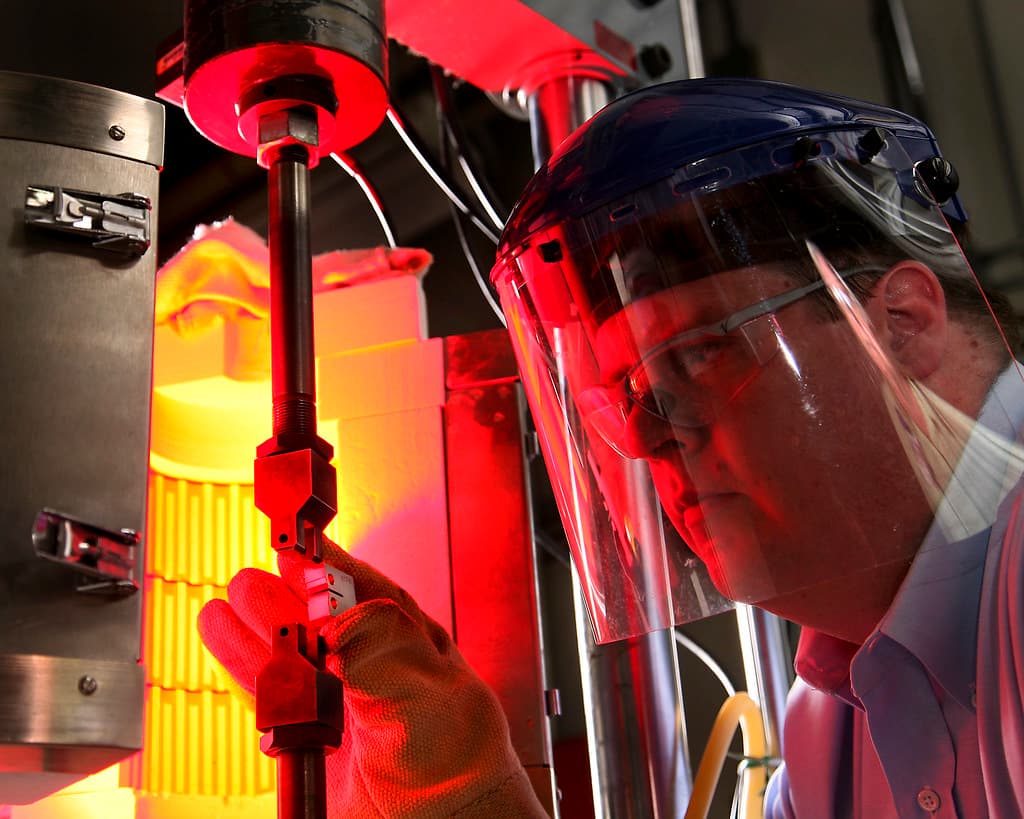
Stainless steel’s high thermal conductivity and work-hardening tendency make heat input a critical variable. Plasma and laser cutting introduce localized heat, potentially altering microstructure near the kerf (the cut zone), causing oxidation, dross formation, or residual stress. In contrast, abrasive waterjet cutting is cold-process—no heat-affected zone (HAZ), no metallurgical change, and minimal risk of distortion in thin or large-format sheets. Mechanical methods avoid thermal effects entirely but impose strict limits on material thickness and geometry.
When dimensional stability and corrosion resistance at cut edges are essential—such as in food processing hoods or pharmaceutical enclosures—non-thermal methods often reduce downstream finishing steps.
Laser Cutting: Speed and Precision with Caveats
Fiber laser systems dominate high-volume, medium-thickness stainless applications (up to 25 mm). They deliver tight tolerances (±0.1 mm typical), excellent repeatability, and narrow kerfs—ideal for intricate contours and nested parts. However, edge quality varies by grade and thickness: 304 cuts cleanly up to 12 mm, but 316’s higher molybdenum content increases slag adhesion above 8 mm unless nitrogen assist gas and optimized parameters are used.
Key considerations:
- Nitrogen-assisted cutting yields oxide-free, weld-ready edges; oxygen-assisted improves speed but leaves a rough, oxidized surface requiring grinding.
- Reflective properties of polished or bright-annealed stainless can challenge older CO₂ lasers—fiber lasers mitigate this but still require beam path maintenance.
- Capital cost remains high, and consumables (lenses, nozzles, assist gases) contribute meaningfully to cost-per-meter calculations.
Plasma Cutting: Robustness for Thicker Sections
Plasma excels where laser reaches its practical limit—typically 25–50 mm stainless sections. Modern high-definition plasma systems achieve ±0.3 mm accuracy and smoother edges than legacy units, especially when using dual-gas (argon-hydrogen secondary) or precision nozzle designs. Edge squareness is generally 87–89°, and dross is manageable below 30 mm with proper amperage and travel speed control.
Limitations include:
- Wider kerf (1.2–2.0 mm) reduces nesting efficiency.
- HAZ extends 0.5–1.0 mm into base metal, potentially compromising corrosion resistance in aggressive environments unless passivated.
- Not suitable for fine features (<3 mm radius) or thin sheet (<1 mm) without excessive warping.
For structural brackets, flanges, or heavy-duty equipment frames, plasma offers the best balance of throughput and affordability above 15 mm.
Abrasive Waterjet: Cold-Cut Versatility
Waterjet cutting handles stainless from foil to 200 mm thick without thermal compromise. Using garnet abrasive suspended in high-pressure water (up to 600 MPa), it produces burr-free, stress-free edges—even on hardened or precipitation-hardened grades like 17-4 PH. Tolerances of ±0.15 mm are routine; taper (edge deviation) can be minimized via dynamic head control.
Trade-offs:
- Slower than laser/plasma on thin gauges (<6 mm).
- Abrasive consumption and pump maintenance increase operational cost.
- Requires wastewater treatment due to suspended solids—facility permitting must account for this.
Waterjet shines for prototypes, low-volume batches, and parts requiring zero HAZ—e.g., sensors housings, aerospace brackets, or medical device components needing full material certification continuity.
Mechanical Cutting: Simplicity with Constraints
Shearing and punching remain cost-effective for straight-line cuts and repetitive hole patterns in sheet ≤6 mm. Tool life depends heavily on stainless grade hardness and surface condition: 430 shears more readily than 316; bright-annealed finishes reduce die wear versus mill-finished.
Critical notes:
- Shear angle and clearance must be precisely set—excessive clearance causes edge tearing in austenitic grades.
- Punching requires lubrication and slower stroke rates to prevent galling; carbide or coated tooling extends service life.
- Neither method accommodates complex profiles or internal cutouts without secondary operations.
Use mechanical methods when edge aesthetics are secondary, volume is high, and geometry permits—e.g., enclosure blanks, mounting plates, or chassis components.
Choosing Based on Your Requirements
No single method is universally optimal. Prioritize based on your dominant constraint:
- Tight tolerances + fine features? Fiber laser (≤12 mm) or waterjet (all thicknesses).
- Thick-section structural parts (>25 mm)? High-definition plasma.
- Zero HAZ required or mixed-material stacks? Waterjet.
- High-volume, simple geometry, budget-sensitive? Mechanical, with rigorous tooling specs.
Always specify cutting method on purchase orders—not just final dimensions—to ensure alignment between supplier capability and your functional requirements. Request sample cut pieces when qualifying new vendors, particularly for grades prone to edge hardening (e.g., 1.4404/316L) or when welding follows cutting.
In summary, stainless steel cutting decisions extend beyond shop-floor logistics—they influence material performance, compliance documentation, and total landed cost. By matching method to grade, thickness, and end-use demands—not just availability—you reduce rework, accelerate time-to-assembly, and preserve the alloy’s inherent corrosion and strength advantages.
Ready to source stainless steel?
Talk to a manufacturer that replies within 24 hours.
Get factory-direct pricing, export packing support, and application guidance for sheets, coils, and pipes from Ruixing.
المنتجات المميزة
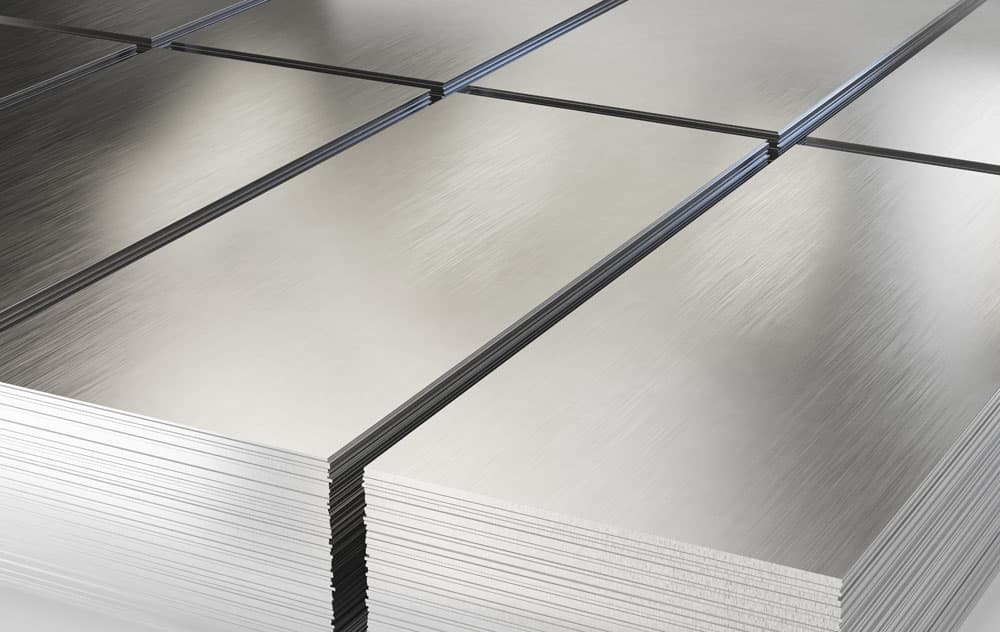
صفائح ستانلس ستيل 304/304L
أكثر الدرجات استخدامًا وتنوعًا، مع مقاومة ممتازة للتآكل وقابلية جيدة للتشكيل.
لفائف ستانلس ستيل 316/316L
درجة تحتوي على الموليبدينوم وتوفر مقاومة أعلى للتآكل خاصة في البيئات المحتوية على الكلوريد.
أنابيب دائرية ستانلس ستيل 201/304
أنابيب دائرية متعددة الاستخدامات مناسبة للتطبيقات الإنشائية والزخرفية.