

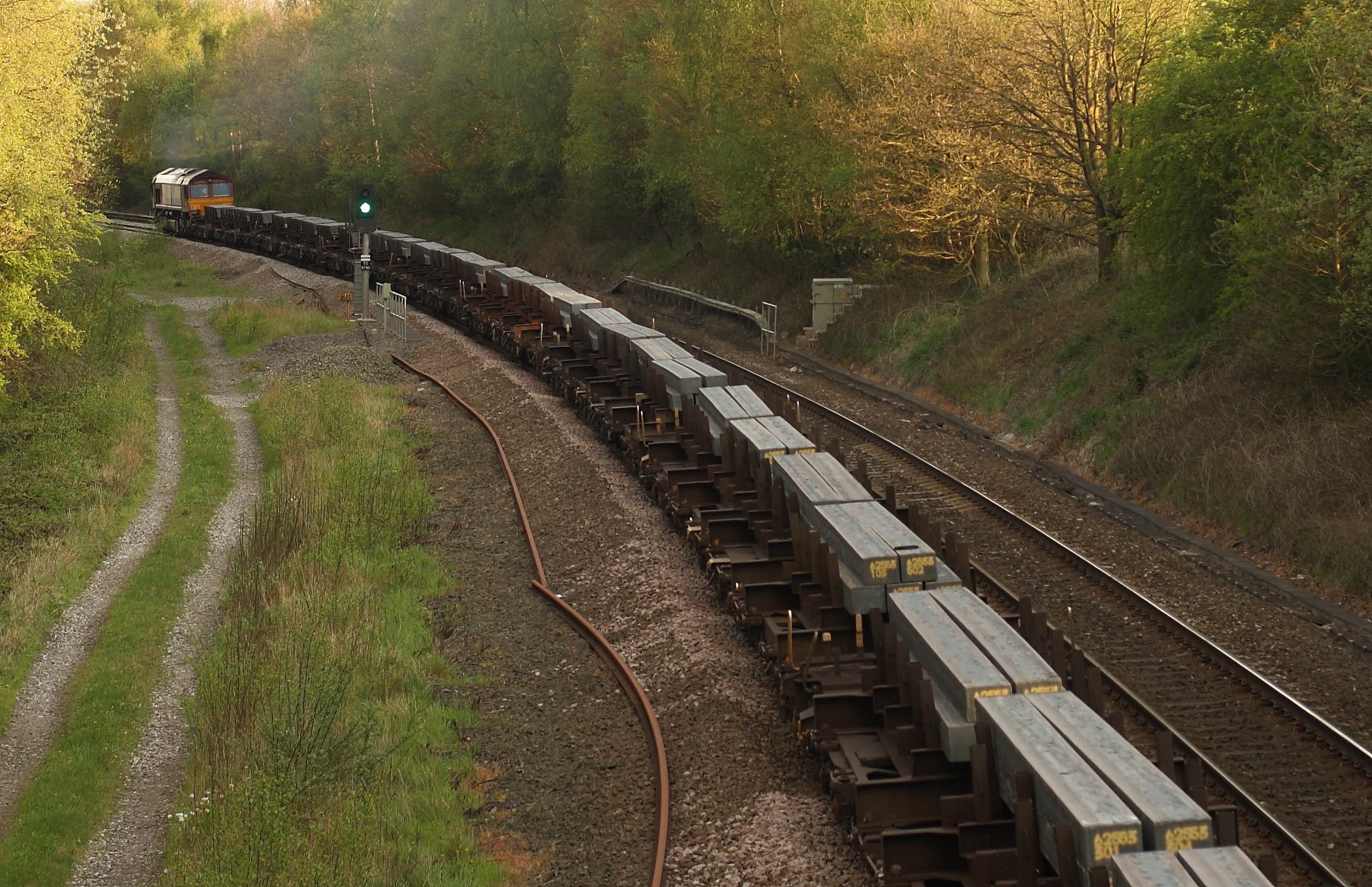
Stainless Steel Cold Working: Effects on Strength and Formability
Stainless Steel Cold Working: Effects on Strength and Formability
Cold working—mechanical deformation below the material’s recrystallization temperature—is a cornerstone process in stainless steel fabrication. Unlike hot working, it does not rely on elevated temperatures to enable plastic flow. Instead, it leverages controlled strain to modify microstructure, enhance strength, and improve dimensional precision. For buyers, importers, fabricators, and OEMs, understanding how cold working affects stainless steel is essential when specifying materials for demanding applications—from precision medical components to automotive exhaust flanges.
This post outlines the metallurgical impact of common cold working processes, clarifies trade-offs between strength and formability, and provides actionable guidance for procurement and production planning.
How Cold Working Changes Stainless Steel Microstructure
Cold working introduces dislocations into the austenitic, ferritic, or duplex grain structure. As strain accumulates (e.g., during rolling, drawing, or bending), these dislocations tangle and impede further movement—raising yield and tensile strength while reducing ductility. This phenomenon, known as strain hardening or work hardening, is especially pronounced in austenitic grades like 304 and 316 due to their stable FCC lattice and high stacking-fault energy.
Ferritic grades (e.g., 430) and duplex steels (e.g., 2205) also harden under cold deformation—but at lower rates and with less uniformity across thickness. Importantly, cold working does not alter chemical composition or corrosion resistance directly; however, residual stresses and surface integrity changes can influence subsequent passivation or welding behavior.
Common Cold Working Processes and Their Typical Outcomes
Three industrial processes dominate stainless steel cold working:
-
Cold Rolling: Used to produce sheets, strips, and coils with tight thickness tolerances (±0.005 mm typical) and smooth surfaces (Ra < 0.1 µm). Reduces thickness by 10–80%, increasing yield strength by up to 100% depending on reduction ratio and grade. Fully annealed 304 may start at ~200 MPa yield; after 50% cold reduction, it exceeds 500 MPa.
-
Cold Drawing: Applied to bars, wires, and tubes. Achieves superior straightness, concentricity, and surface finish. Drawing reductions >30% often require intermediate annealing to prevent cracking—especially in high-carbon or high-nickel grades.
-
Bending and Forming: Includes press braking, roll forming, and stretch forming. Localized strain can cause springback (more pronounced in higher-strength tempers) and edge cracking if bend radii fall below minimum thresholds—e.g., ≥3× material thickness for fully hardened 304.
Fabricators must confirm temper designations (e.g., 1/4H, 1/2H, H, EH) with suppliers, as these denote specific hardness and strength ranges—not just nominal processing history.
Balancing Strength Gains Against Fabrication Risks
While cold working delivers desirable strength and surface quality, it introduces practical constraints:
-
Reduced Ductility: Elongation at break drops sharply above ~30% reduction. This limits secondary forming steps—e.g., deep drawing a pre-hardened 316 sheet may require annealing before final shaping.
-
Anisotropy: Cold-rolled sheet develops planar anisotropy—meaning mechanical properties differ along the rolling direction (RD), transverse direction (TD), and thickness direction (ND). This affects draw-in behavior in stamping and must be accounted for in die design.
-
Residual Stress: Uneven deformation creates internal stress patterns that may distort parts during machining or lead to stress-corrosion cracking in aggressive environments unless stress-relieved.
Buyers specifying cold-worked material should explicitly define required mechanical property ranges—not just temper—and request mill test reports (MTRs) verifying tensile strength, yield strength, and elongation per ASTM A666 or EN 10088-2.
When to Specify Annealed vs. Cold-Worked Material
The decision hinges on part function and downstream operations:
-
Choose annealed (soft) material when extensive bending, deep drawing, or complex multi-axis forming is required—especially for prototypes or low-volume batches where tooling flexibility matters more than part strength.
-
Choose cold-worked (tempered) material when dimensional stability, surface finish, fatigue resistance, or wear performance are priorities—and when secondary forming is minimal or highly controlled. Examples include spring clips, fasteners, and heat exchanger plates.
Importers sourcing from global mills should verify whether temper designations align with regional standards: ASTM uses “H” suffixes (e.g., H114), while EN standards use “R” (e.g., R210) and “N” (for normalized). Cross-referencing is non-trivial and requires mill documentation—not marketing sheets.
Practical Procurement and Quality Checks
To avoid delays and rework:
- Specify temper and mechanical properties—not just “cold rolled”—in purchase orders.
- Require MTRs traceable to heat number and include hardness (HV or HRB), tensile/yield values, and elongation.
- For critical parts, request bend testing per ASTM A480 to verify formability at specified radii.
- Audit supplier heat treatment records if cold-worked material will undergo subsequent annealing or stress relieving.
Avoid assuming “cold finished” implies consistent properties across lot sizes; variations in reduction ratios, lubrication, and tension control can yield measurable differences—even within the same temper designation.
Conclusion
Cold working is not merely a finishing step—it fundamentally reshapes stainless steel’s performance envelope. For fabricators, it enables tighter tolerances and enhanced strength without heat input. For buyers and OEMs, it demands precise specification, clear communication with suppliers, and verification beyond visual inspection. By aligning temper selection with functional requirements—and validating through documented mechanical data—teams reduce risk, improve first-pass yield, and extend service life in demanding industrial environments.
¿Listo para abastecerte de acero inoxidable?
Habla con un fabricante que responde en 24 horas.
Obtén precio directo de fábrica, soporte de embalaje de exportación y orientación técnica para láminas, bobinas y tuberías.
Productos destacados
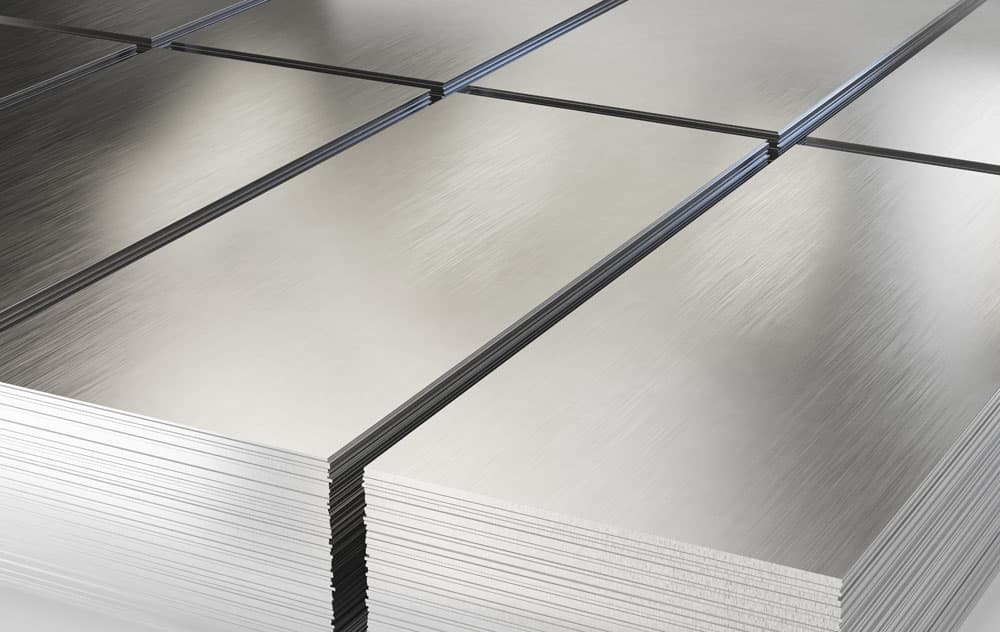
Lámina de acero inoxidable 304/304L
La aleación más versátil y utilizada. Excelente resistencia a la corrosión y formabilidad.
Bobina de acero inoxidable 316/316L
Grado con molibdeno y mayor resistencia a la corrosión en ambientes con cloruros.
Tubería redonda de acero inoxidable 201/304
Tubería redonda versátil en 201/304 con buena resistencia a la corrosión y formabilidad para usos estructurales y decorativos.