

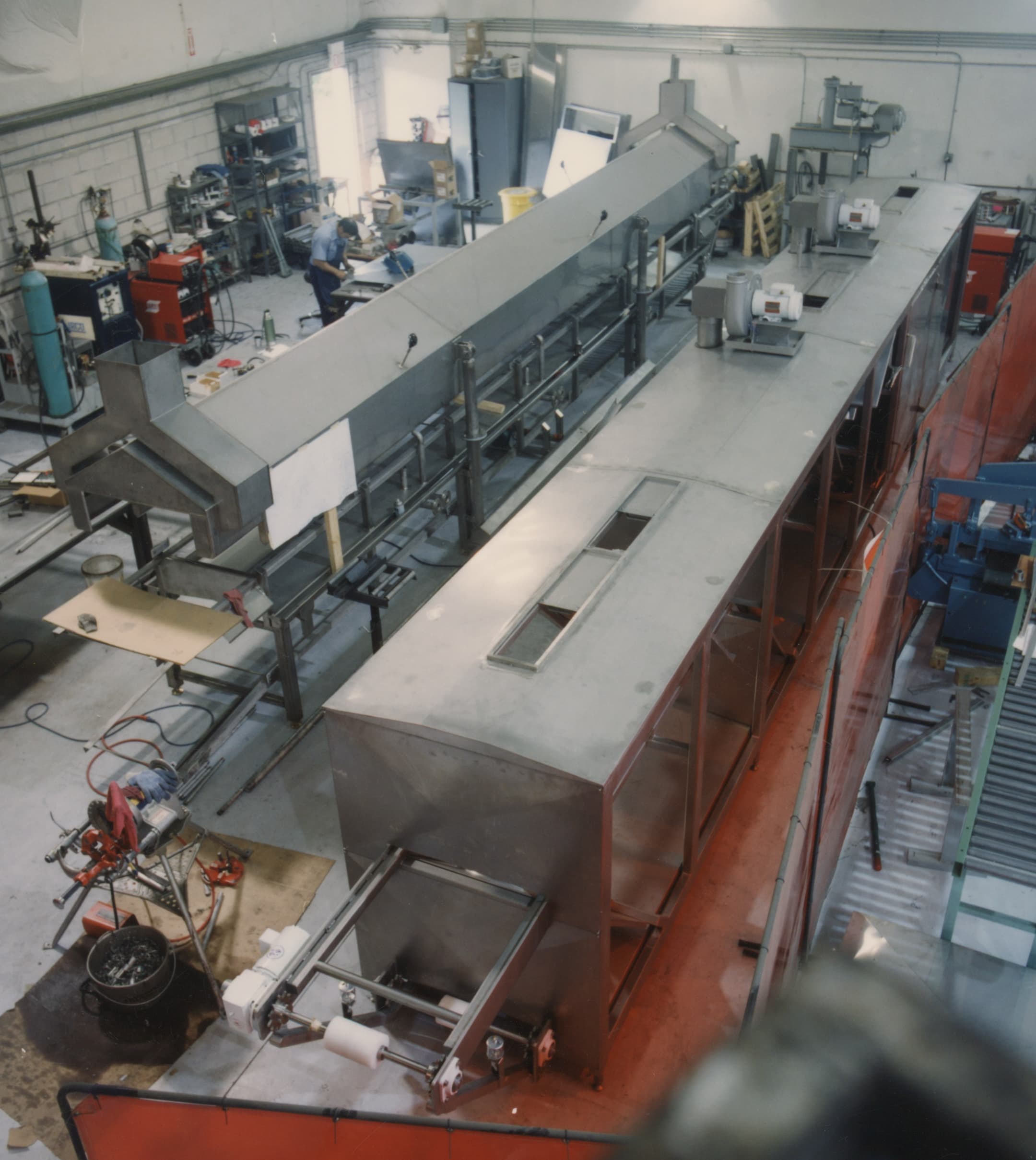
Stainless Steel Heat Treatment: What Buyers and Fabricators Need to Know
Stainless Steel Heat Treatment: What Buyers and Fabricators Need to Know
Stainless steel is often supplied in specific metallurgical conditions — such as annealed, solution-annealed, or cold-worked — that directly affect its mechanical properties, corrosion resistance, and formability. Unlike carbon steels, most stainless grades are not hardened by quenching and tempering; instead, their response to thermal processing depends heavily on microstructure type (austenitic, ferritic, martensitic, duplex, or precipitation-hardening). For buyers, importers, OEMs, and fabricators, selecting the right condition — and avoiding unintended thermal exposure during downstream operations — is critical for performance and cost control.
Why Heat Treatment Matters Beyond Hardness
Heat treatment in stainless steel serves distinct purposes depending on the alloy family. In austenitic grades (e.g., 304, 316), solution annealing dissolves carbides formed during welding or hot working, restoring uniform chromium distribution and maximizing corrosion resistance. Ferritic and duplex grades benefit from annealing to relieve stresses and restore ductility after cold forming. Martensitic and precipitation-hardening (PH) grades rely on controlled heating and aging to achieve targeted strength levels. Crucially, most stainless steels cannot be hardened by conventional quenching alone — a common misconception that leads to specification errors or rejected parts.
Key Processes by Stainless Steel Family
Austenitic (300-series) Solution annealing (typically 1010–1120°C followed by rapid cooling) is standard for mill-supplied plate, sheet, and bar. This step prevents sensitization — the formation of chromium carbides at grain boundaries — which compromises intergranular corrosion resistance. Buyers specifying 304L or 316L should confirm whether material has been solution-annealed post-fabrication if welding or bending occurred. Stress relief below the sensitization range (e.g., 425–600°C) is sometimes used but offers limited benefit and risks sigma phase formation in certain environments.
Ferritic (400-series, e.g., 430, 444) These grades are typically supplied annealed to optimize ductility and formability. Annealing (750–850°C, air-cooled) relieves residual stresses from cold rolling or stamping. Unlike austenitics, they cannot be hardened by heat treatment — only strengthened via cold work. Overheating above ~950°C can cause grain coarsening and embrittlement.
Martensitic (e.g., 410, 420, 440C) These respond to quench-and-temper cycles. After austenitizing (980–1050°C), rapid oil or air quenching forms martensite. Tempering (150–700°C) then adjusts hardness and toughness. Buyers must specify target hardness (e.g., HRC 35–45) and tempering temperature — deviations significantly impact wear resistance and impact strength.
Duplex & Super Duplex (e.g., 2205, 2507) Require precise solution annealing (1020–1100°C, rapid water quench) to maintain balanced austenite/ferrite ratios (~40–60%). Deviations risk excessive ferrite, secondary phases (sigma, chi), or reduced toughness and pitting resistance. Fabricators must avoid slow cooling through 700–900°C — a common pitfall during large-part post-weld heat treatment.
Precipitation-Hardening (e.g., 17-4PH, 15-5PH) Supplied in a soft, solution-treated condition (Condition A). Final properties are achieved via low-temperature aging (e.g., 480°C for 1 hour for 17-4PH H900). Aging time, temperature, and cooling rate must be tightly controlled — ±5°C and ±2 minutes matter for repeatable tensile and yield strength.
Common Pitfalls in Procurement and Fabrication
- Assuming ‘annealed’ means identical across grades: A 304 annealed coil and a 410 annealed bar serve entirely different functional goals — one prioritizes corrosion resistance, the other ductility prior to hardening.
- Uncontrolled post-weld heating: Localized torch heating near welds on duplex or austenitic parts can create sensitized zones or secondary phases, even without full re-annealing.
- Omitting condition requirements on purchase orders: Specifying “316 stainless steel” without stating “solution-annealed, ASTM A240 Type 316, Condition SA” leaves room for mill-run conditions that may not suit fabrication steps.
- Misapplying stress-relief temperatures: Using 650°C stress relief on 316 after deep drawing may reduce corrosion resistance more than it improves dimensional stability.
How to Specify Correctly
Buyers and OEMs should include these elements in material specifications:
- Exact grade and UNS number (e.g., UNS S32205 for 2205)
- ASTM or EN standard and condition (e.g., ASTM A789, Condition S for solution-annealed seamless tube)
- Required mechanical properties in the supplied condition (e.g., tensile ≥620 MPa, yield ≥450 MPa, elongation ≥25%)
- Any supplementary testing (e.g., ASTM A923 for duplex phase balance, ASTM A262 Practice E for intergranular corrosion)
- Traceability requirements (e.g., heat number, mill test report per EN 10204 3.1)
Fabricators should document all thermal exposures — including welding preheat, interpass temps, and post-weld holding — especially for duplex, PH, and high-alloy austenitics. When in doubt, consult the mill’s data sheet rather than relying on generic alloy charts.
Conclusion
Stainless steel heat treatment isn’t about universal hardening — it’s about preserving or enabling specific microstructural states required for service performance. Buyers who understand the link between condition, grade, and application avoid costly rework, warranty claims, or premature failure. Fabricators who track thermal history and align process parameters with metallurgical limits improve yield, consistency, and compliance. As supply chains grow more global and lead times tighten, upfront clarity on heat treatment expectations pays dividends across the entire production lifecycle — from procurement to final inspection.
¿Listo para abastecerte de acero inoxidable?
Habla con un fabricante que responde en 24 horas.
Obtén precio directo de fábrica, soporte de embalaje de exportación y orientación técnica para láminas, bobinas y tuberías.
Productos destacados
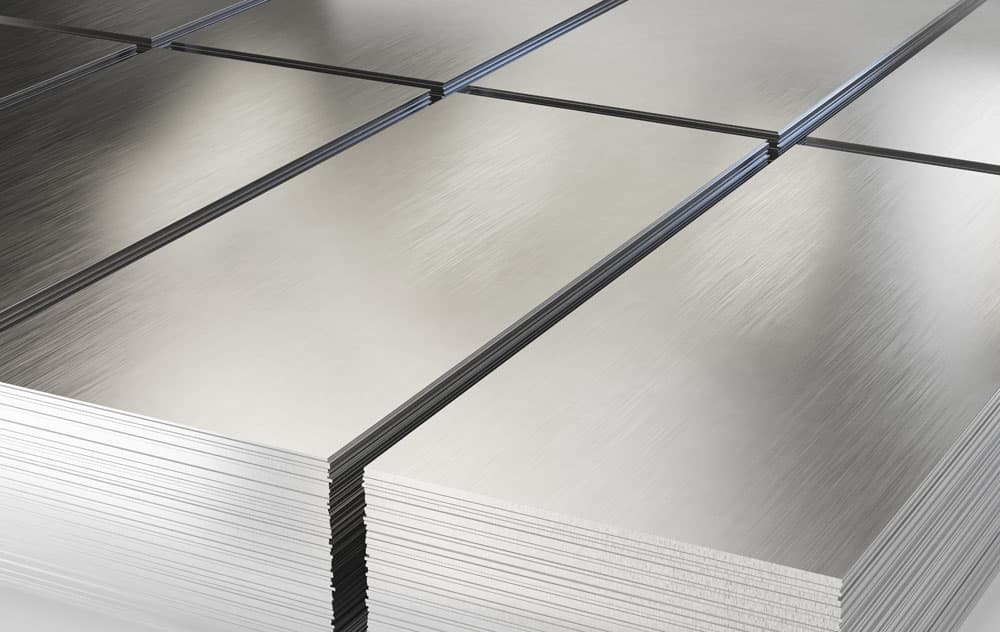
Lámina de acero inoxidable 304/304L
La aleación más versátil y utilizada. Excelente resistencia a la corrosión y formabilidad.
Bobina de acero inoxidable 316/316L
Grado con molibdeno y mayor resistencia a la corrosión en ambientes con cloruros.
Tubería redonda de acero inoxidable 201/304
Tubería redonda versátil en 201/304 con buena resistencia a la corrosión y formabilidad para usos estructurales y decorativos.