

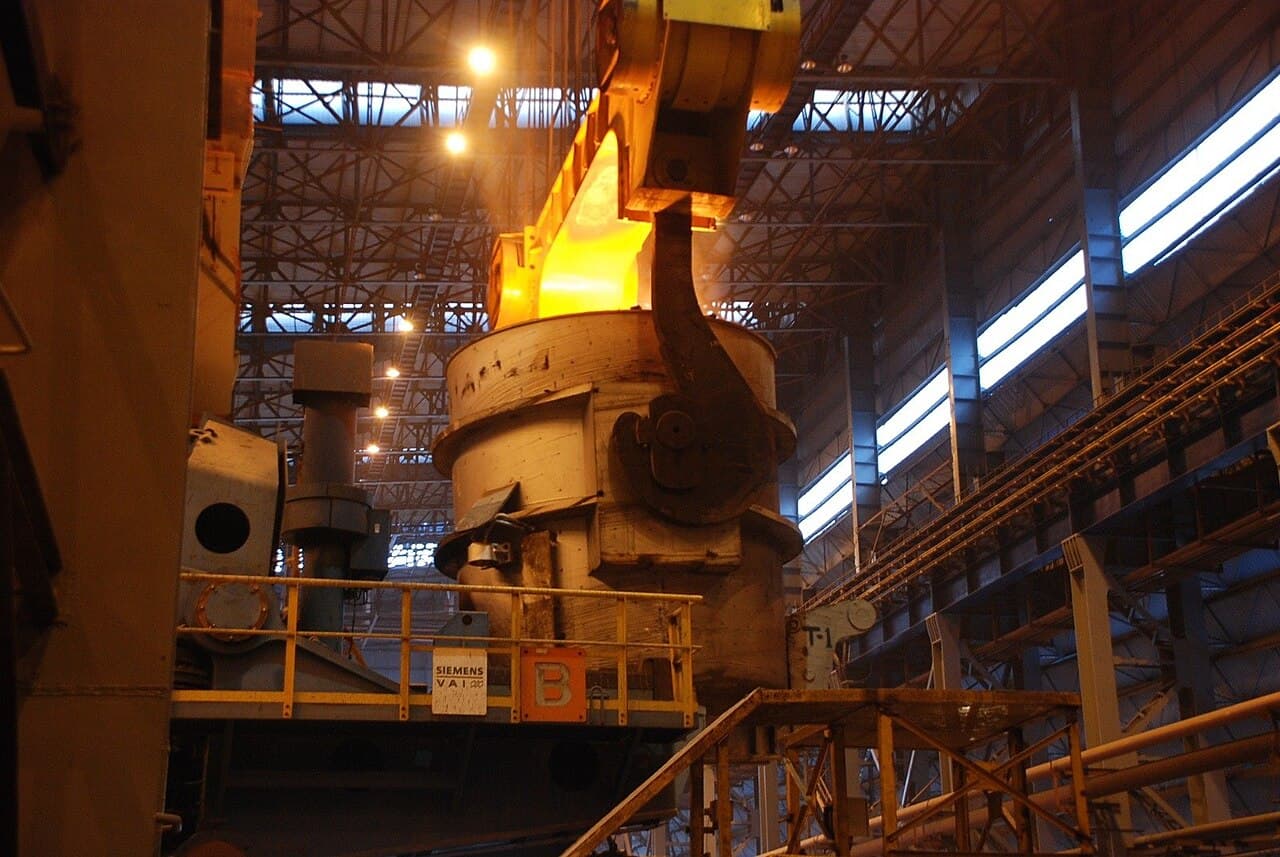
Stainless Steel Heat Treatment: What Buyers & Fabricators Need to Know
Stainless Steel Heat Treatment: What Buyers & Fabricators Need to Know
Heat treatment is a critical—but often overlooked—step in stainless steel supply chains. Unlike carbon steels, stainless grades respond differently to thermal processing due to their high chromium and alloying content. For buyers, importers, OEMs, and fabricators, specifying the right condition—and verifying it—is essential to part integrity, dimensional stability, and long-term service life. This post clarifies the core heat treatment processes used for common austenitic, ferritic, and duplex stainless steels, outlines key specification points, and highlights practical verification steps.
Why Heat Treatment Matters Beyond Hardness
Heat treatment of stainless steel rarely aims to increase hardness (as with tool steels). Instead, its primary purposes are:
- Relieving residual stresses from cold working or welding,
- Restoring corrosion resistance by dissolving carbides and re-homogenizing the microstructure,
- Improving ductility and formability, especially after severe cold reduction,
- Stabilizing dimensions, particularly for precision-machined or thin-gauge components.
Skipping or misapplying heat treatment can lead to premature intergranular corrosion, stress corrosion cracking, warping during machining, or inconsistent mechanical response across a batch.
Common Processes & Their Industrial Applications
Annealing
The most widely applied heat treatment for stainless steel, especially austenitic grades (e.g., 304, 316) and ferritics (e.g., 430, 444). Full annealing involves heating to 1010–1120°C (depending on grade), holding briefly, then rapid cooling—typically water quenching for austenitics to prevent carbide precipitation. For ferritics, air cooling is sufficient.
Buyer note: Specify “solution-annealed and pickled” (SA+P) for sheet/plate when corrosion resistance and surface uniformity are required. Avoid vague terms like “heat treated”—request full process parameters (temperature, soak time, cooling medium) in mill test reports.
Stress Relieving
Used primarily for welded fabrications or heavily cold-formed parts where full annealing isn’t feasible (e.g., large assemblies or components with tight dimensional tolerances). Typically performed at 700–900°C for 1–2 hours, followed by controlled air cooling.
Fabricator tip: Stress relieving does not restore full corrosion resistance lost due to sensitization. If carbide precipitation occurred during welding, only full solution annealing will reverse it. Use stress relieving only where sensitization risk is low—or confirm microstructure via ASTM E112 grain size and ASTM A262 Practice E testing if uncertainty exists.
Quenching & Tempering (Limited Use)
Rarely applied to standard austenitic grades (they harden poorly), but relevant for precipitation-hardening (PH) stainless steels like 17-4PH or 15-5PH. These undergo solution treatment (~1040°C), rapid quenching, then aging at 480–620°C to develop strength. PH grades are common in aerospace, medical devices, and high-strength fasteners.
OEM consideration: Aging temperature directly controls yield strength and toughness trade-offs. Verify aging time/temperature compliance per AMS 2759/3 or EN 10266-4—not just tensile results.
Specification & Verification: What to Require
Don’t rely solely on grade designation (e.g., “316”). Condition matters as much as composition. Always specify:
- Condition code per ASTM A666 (e.g., “Annealed, Lightly Pickled,” “Temper Rolled, Quarter-Hard”),
- Final heat treatment process (e.g., “Solution Annealed at 1060°C ±15°C, water quenched”),
- Cooling method and rate, especially for duplex grades (e.g., UNS S32205/S32202), which require rapid cooling to retain balanced austenite/ferrite phase ratios,
- Certification level: Request full MTRs including heat number, chemical analysis, mechanical test results, and thermal history notes.
Third-party verification is advisable for critical applications: independent labs can perform metallography to confirm phase balance (for duplex), detect sigma phase (in super duplex), or verify absence of sensitization using ASTM A262 Practice A (oxalic acid etch) or Practice E (ferric sulfate-sulfuric acid).
Pitfalls to Avoid in Procurement & Fabrication
-
Assuming all “annealed” material is equal: Cold-worked 304 strip annealed at 950°C may retain residual ferrite or incomplete recrystallization versus 1040°C treatment. Ask for actual furnace log data.
-
Overheating ferritic grades: Temperatures above 950°C can cause grain coarsening and embrittlement—especially in 446 or 444. Confirm upper temperature limits per grade in ASTM A800.
-
Rapid cooling of thick-section duplex: Uneven cooling through the 800–300°C range risks secondary phase formation. Specify controlled cooling rates or furnace cooling for sections >25 mm thick.
-
Post-weld heat treatment of austenitics: Generally not recommended unless strictly necessary (e.g., nuclear ASME Section III). It can promote sigma phase and reduce toughness. Prefer proper welding procedure qualification instead.
Conclusion
Heat treatment is not a generic finishing step—it’s an integral part of stainless steel’s functional design. For buyers, clear specification of thermal condition prevents downstream fabrication issues and ensures material performs as expected in service. For fabricators, understanding the thermal history of incoming material informs handling, machining, and welding decisions. And for OEMs, verifying treatment compliance protects against field failures tied to microstructural defects. When sourcing stainless steel, treat heat treatment parameters with the same rigor as chemistry or dimensional tolerances: document them, verify them, and hold suppliers accountable for traceable evidence.
Published April 2, 2026.
¿Listo para abastecerte de acero inoxidable?
Habla con un fabricante que responde en 24 horas.
Obtén precio directo de fábrica, soporte de embalaje de exportación y orientación técnica para láminas, bobinas y tuberías.
Productos destacados
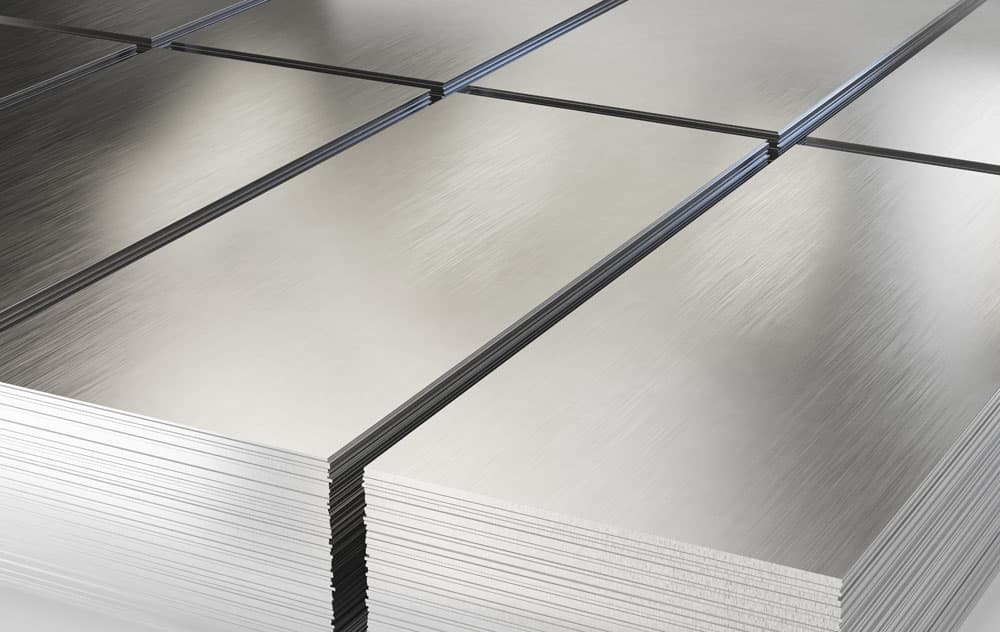
Lámina de acero inoxidable 304/304L
La aleación más versátil y utilizada. Excelente resistencia a la corrosión y formabilidad.
Bobina de acero inoxidable 316/316L
Grado con molibdeno y mayor resistencia a la corrosión en ambientes con cloruros.
Tubería redonda de acero inoxidable 201/304
Tubería redonda versátil en 201/304 con buena resistencia a la corrosión y formabilidad para usos estructurales y decorativos.