


Stainless Steel Sourcing: Key Spec Considerations for Fabricators
Why Specification Clarity Matters More Than Ever
In 2026, stainless steel buyers face tighter lead times, evolving regulatory expectations (especially in food, pharma, and energy sectors), and increased scrutiny on traceability. Yet many procurement requests still rely solely on grade designation—e.g., "304 stainless"—without defining critical supplementary requirements. That ambiguity risks costly rework, delays, or non-conformance downstream. This post outlines the specification elements fabricators, OEMs, and importers must clarify before placing an order—not after receiving material.
1. Mill Certificate Requirements: Beyond Basic Compliance
Mill certificates (EN 10204 Type 3.1 or 3.2) are standard, but their scope varies significantly. A Type 3.1 cert confirms compliance with order specifications based on the manufacturer’s test results. A Type 3.2 includes independent third-party verification—a requirement for pressure equipment (PED), ASME BPVC, or FDA-regulated applications. Specify which type you need and whether chemical composition, mechanical properties, and intergranular corrosion test results (e.g., ASTM A262 Practice E) must be included. Also note: some suppliers issue certs only per heat—not per coil or plate—so confirm batch-level traceability if required for QA audits.
2. Dimensional Tolerances: Where Real-World Fabrication Begins
Grade alone says nothing about thickness, flatness, or edge condition—yet these directly impact laser cutting yield, press brake setup time, and weld fit-up. For sheet and plate, reference EN 10029 (thickness tolerance), EN 10051 (flatness), or ASTM A480 (general tolerances). Example: ordering 2 mm 316L sheet without stating tolerance may result in ±0.12 mm variation—acceptable for general enclosures but insufficient for precision-formed components requiring tight nesting or tight-tolerance bending. Clarify whether tolerances apply as-rolled or after leveling—and whether edge conditions (sheared, slitted, or mill-edge) affect your process.
3. Surface Condition & Finish Consistency
Surface finish impacts both aesthetics and functional performance—especially in hygienic or wear-critical applications. While EN 10088-2 defines common finishes (e.g., 2B, BA, No. 4), it doesn’t guarantee consistency across coils or heats. Request finish verification via Ra measurement reports (e.g., Ra ≤ 0.1 µm for pharmaceutical tubing) or visual matching against a physical sample. Note: cold-rolled finishes vary between mills due to different polishing equipment and passivation methods. If finish repeatability is essential—for example, in architectural cladding or medical device housings—require supplier approval of finish samples prior to full production.
4. Packaging & Handling Specifications
Improper packaging leads to surface damage, deformation, or contamination—particularly for polished or thin-gauge material. Specify protective measures explicitly: PVC film type (low-adhesion vs. static-dissipative), interleaving (paper vs. plastic), bundling method (strapping tension limits), and pallet configuration (edge protectors, moisture barriers). For export shipments, require ISPM 15-compliant wood packaging and humidity-controlled wrapping where chloride exposure during transit is likely. One OEM reported a 12% scrap rate on mirror-finish 316 sheets due to uncontrolled packaging—corrected only after adding detailed packaging clauses to their purchase order terms.
5. Traceability and Documentation Timing
Lead times for certified material have extended in key markets (EU, North America, ASEAN), making early documentation alignment critical. Confirm when mill certs, dimensional reports, and surface finish verifications will be issued—preferably before shipment, not upon delivery. For multi-heat orders, request heat-specific documentation indexed to physical markings (e.g., heat number stamped on each coil or plate). In regulated industries, delayed or incomplete documentation can halt production line validation or delay regulatory submissions.
Conclusion: Precision Starts at the Purchase Order
Stainless steel isn’t a commodity—it’s a system component whose performance depends on how well its physical, chemical, and documentary attributes align with your application’s functional and compliance needs. Effective sourcing means moving beyond grade codes to define tolerances, certifications, surface criteria, packaging, and documentation timing in writing, before order confirmation. Doing so reduces risk, avoids costly surprises, and strengthens supplier accountability. When procuring stainless steel in 2026, treat the specification sheet not as a formality—but as your first fabrication step.
¿Listo para abastecerte de acero inoxidable?
Habla con un fabricante que responde en 24 horas.
Obtén precio directo de fábrica, soporte de embalaje de exportación y orientación técnica para láminas, bobinas y tuberías.
Productos destacados
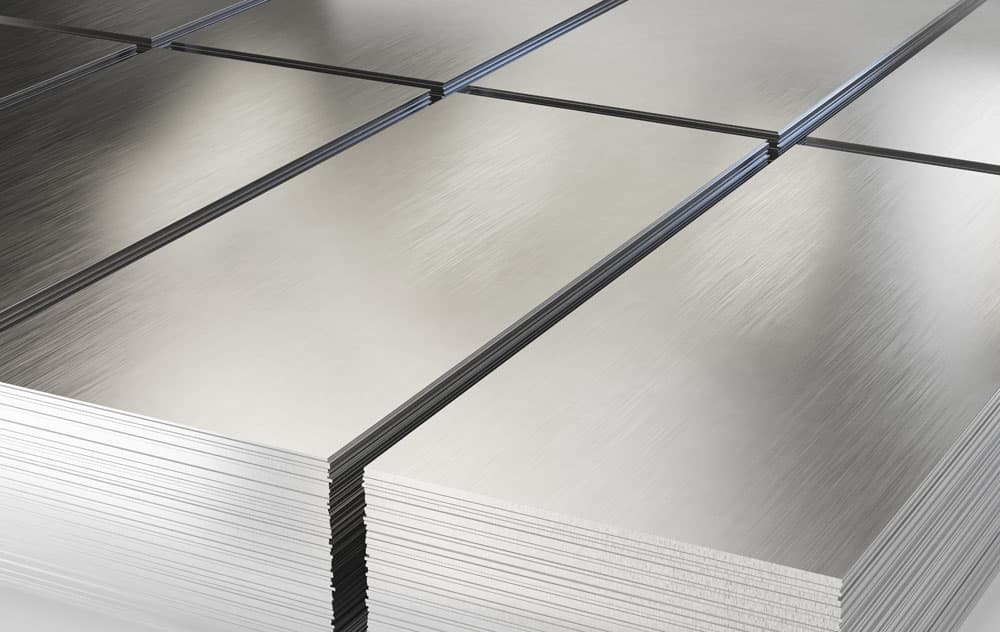
Lámina de acero inoxidable 304/304L
La aleación más versátil y utilizada. Excelente resistencia a la corrosión y formabilidad.
Bobina de acero inoxidable 316/316L
Grado con molibdeno y mayor resistencia a la corrosión en ambientes con cloruros.
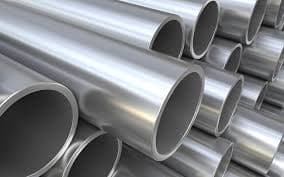
Tubería redonda de acero inoxidable 201/304
Tubería redonda versátil en 201/304 con buena resistencia a la corrosión y formabilidad para usos estructurales y decorativos.