

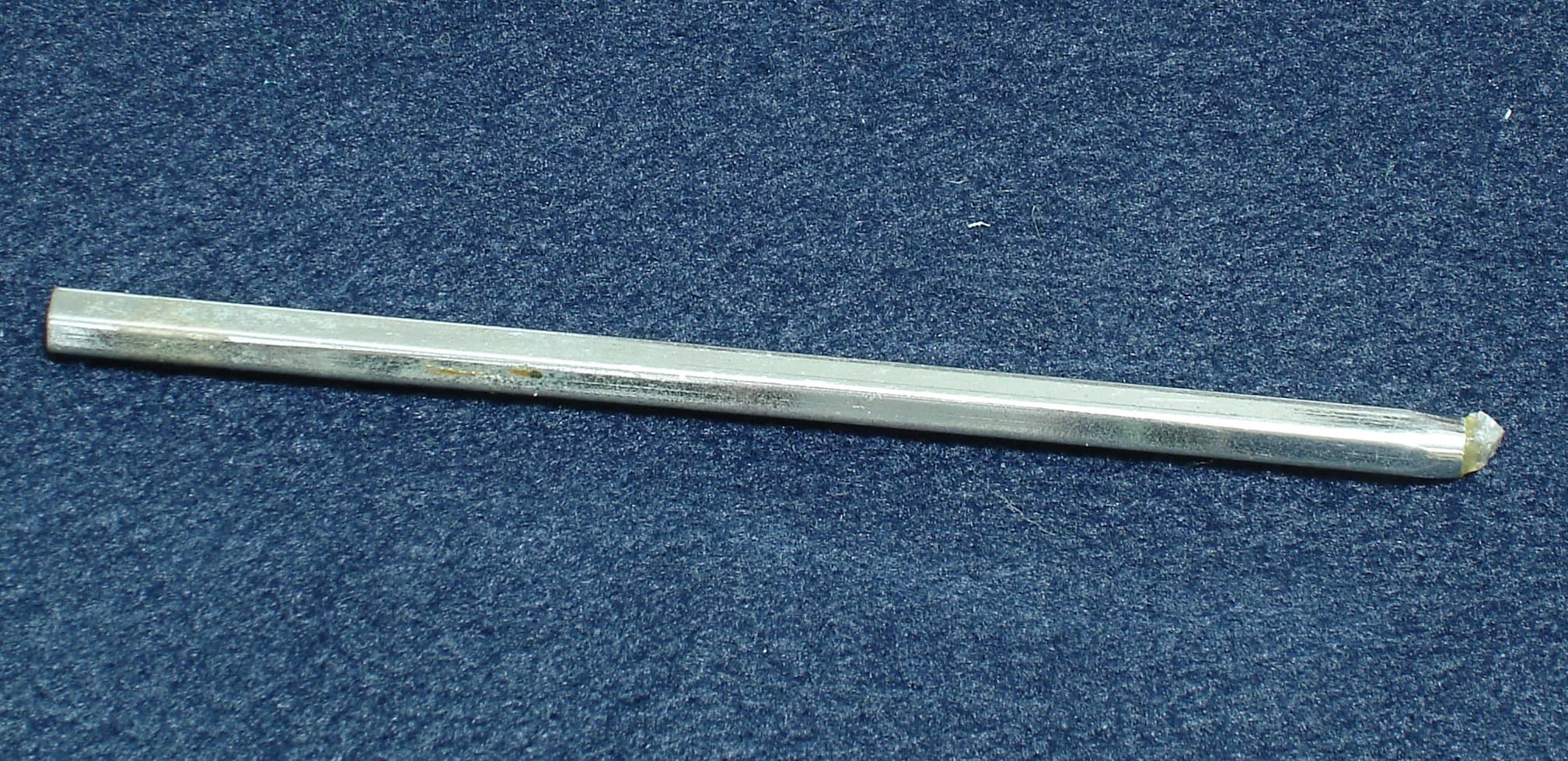
Why Storage and Handling Matter More Than You Think
Stainless steel’s corrosion resistance is not inherent—it’s conditional. Surface condition, cleanliness, and environmental exposure during storage directly impact performance in final applications. For buyers, importers, and OEMs sourcing material for critical fabrications (e.g., food processing equipment, pharmaceutical tanks, or precision structural components), premature surface degradation or chloride-induced pitting can lead to costly rework, rejection at inspection, or field failure. Unlike carbon steel, stainless relies on an intact, chromium-rich passive layer—and that layer is easily compromised before it ever reaches the shop floor.
This post outlines evidence-based, field-tested practices—not theoretical guidelines—for preserving stainless steel stock through the supply chain, from port discharge to fabrication staging.
1. Segregation Is Non-Negotiable
Never store stainless steel in direct contact with carbon steel, galvanized materials, or copper alloys. Even minor contact or airborne dust from grinding, cutting, or welding carbon steel introduces free iron particles onto stainless surfaces. These particles rust when exposed to moisture, creating localized corrosion sites that undermine passivation. Use dedicated, clearly marked zones: separate racking systems, distinct floor markings, and color-coded signage (e.g., blue tape for stainless-only areas). If shared facilities are unavoidable, maintain a minimum 1-meter physical separation and install vertical barriers where airflow could carry particulates.
Also segregate by grade. Avoid stacking 304 over 316—or vice versa—without full isolation. While both are austenitic, differences in molybdenum content affect sensitivity to chlorides and sulfur compounds. Cross-contamination from residue (e.g., mill oil, cleaning agents, or salt-laden condensation) can shift electrochemical behavior unpredictably.
2. Environmental Control Starts at Ground Level
Humidity, temperature fluctuations, and airborne contaminants drive early-stage corrosion—especially under plastic wrap or in tightly stacked bundles. Store indoors whenever possible, in climate-stable environments with relative humidity below 60% and no condensation on walls or ceilings. If outdoor storage is unavoidable:
- Elevate all stock at least 150 mm above ground using non-absorbent, non-corrosive supports (e.g., sealed PVC or stainless cradles—not wood or standard concrete blocks).
- Use breathable, chloride-free protective wraps. Avoid polyethylene sheeting unless specifically rated for stainless (many contain slip agents that leach chlorides). Opt for VCI (volatile corrosion inhibitor) paper only if certified for stainless grades and removed prior to fabrication.
- Inspect wraps monthly for tears, pooling water, or mold growth. Replace damaged covers immediately—do not patch.
Note: Salt-laden air (coastal or de-icing environments) demands extra vigilance. In such regions, consider nitrogen-purged storage containers for high-value coils or precision sheets.
3. Mechanical Protection During Movement and Staging
Scratches, gouges, and deformation aren’t just cosmetic—they disrupt the passive layer and create stress-concentration points vulnerable to intergranular or stress corrosion cracking. Use only stainless-compatible lifting gear:
- Slings must be synthetic (nylon or polyester), never wire rope or chains—unless fully coated and inspected for coating integrity before each use.
- Forklift tines should have rubber or polyurethane bumpers; bare metal tines scratch even mill-finished surfaces.
- When uncoiling or shearing, ensure mandrels and rollers are clean, smooth, and free of embedded debris. A single grit particle dragged across a 2B finish can initiate micro-pitting.
Staging areas require non-abrasive flooring—epoxy-coated concrete or rubber matting—not bare concrete, which often contains chlorides from curing accelerants or de-icing salts tracked in on boots or wheels.
4. Cleanliness Protocols That Stick
“Clean” means more than visually dust-free. Stainless surfaces accumulate invisible residues: chlorides from tap water, sulfates from atmospheric pollution, or hydrocarbons from handling gloves or packaging adhesives. Implement these steps before any secondary operation:
- Wipe with pH-neutral, chloride-free cleaner (e.g., citric acid–based solutions at <5% concentration). Never use hydrochloric or phosphoric acid cleaners unless validated for the specific grade and followed by thorough DI-water rinsing.
- Dry immediately with lint-free cloths—air-drying invites water-spotting and chloride concentration at evaporation edges.
- Verify cleanliness via ferroxyl test (for free iron) or chloride ion test strips (target <1 µg/cm² residual chloride) on high-risk items like welded assemblies or thin-gauge sheets.
Document all cleaning steps, especially for regulated sectors (e.g., FDA 21 CFR Part 113 or ASME BPE). Auditors increasingly request traceability—not just for fabrication, but for pre-fab material history.
5. Documentation and Handover Discipline
Include storage and handling conditions in your supplier quality agreements. Require suppliers to log:
- Date and duration of outdoor storage,
- Type and batch number of protective wrapping used,
- Humidity/temperature logs for indoor storage (>30 days),
- Evidence of segregation (e.g., photos of racking labels).
When material arrives, perform a rapid visual and tactile inspection: look for rainbow discoloration (indicating overheating), white powdery residue (chloride bloom), or uneven dullness (early pitting). Reject or quarantine any lot showing inconsistencies—not based on aesthetics, but on verifiable deviation from agreed protocols.
Conclusion
Stainless steel doesn’t fail because it’s inherently weak—it fails because its protection is overlooked in the quiet intervals between purchase and production. Effective storage and handling aren’t ancillary logistics tasks; they’re upstream quality controls with measurable impact on yield, compliance, and lifecycle reliability. For fabricators, specifying these requirements up front reduces scrap and rework. For buyers and importers, enforcing them strengthens supply chain resilience and lowers total cost of ownership. Start with one change this quarter: audit your current staging area against the segregation and environmental control criteria above. Small adjustments today prevent systemic risk tomorrow.
¿Listo para abastecerte de acero inoxidable?
Habla con un fabricante que responde en 24 horas.
Obtén precio directo de fábrica, soporte de embalaje de exportación y orientación técnica para láminas, bobinas y tuberías.
Productos destacados
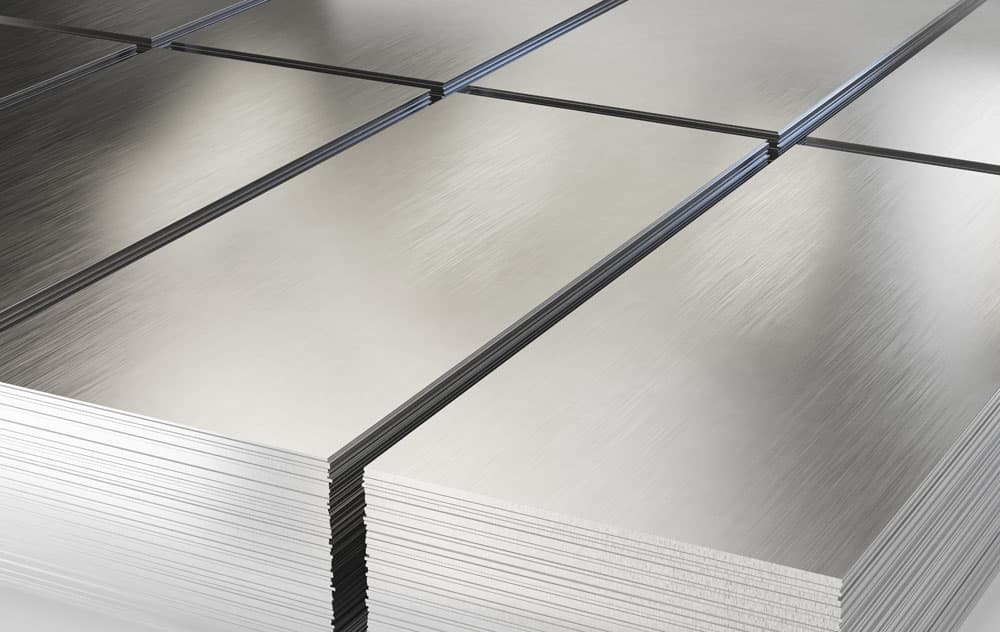
Lámina de acero inoxidable 304/304L
La aleación más versátil y utilizada. Excelente resistencia a la corrosión y formabilidad.
Bobina de acero inoxidable 316/316L
Grado con molibdeno y mayor resistencia a la corrosión en ambientes con cloruros.
Tubería redonda de acero inoxidable 201/304
Tubería redonda versátil en 201/304 con buena resistencia a la corrosión y formabilidad para usos estructurales y decorativos.