

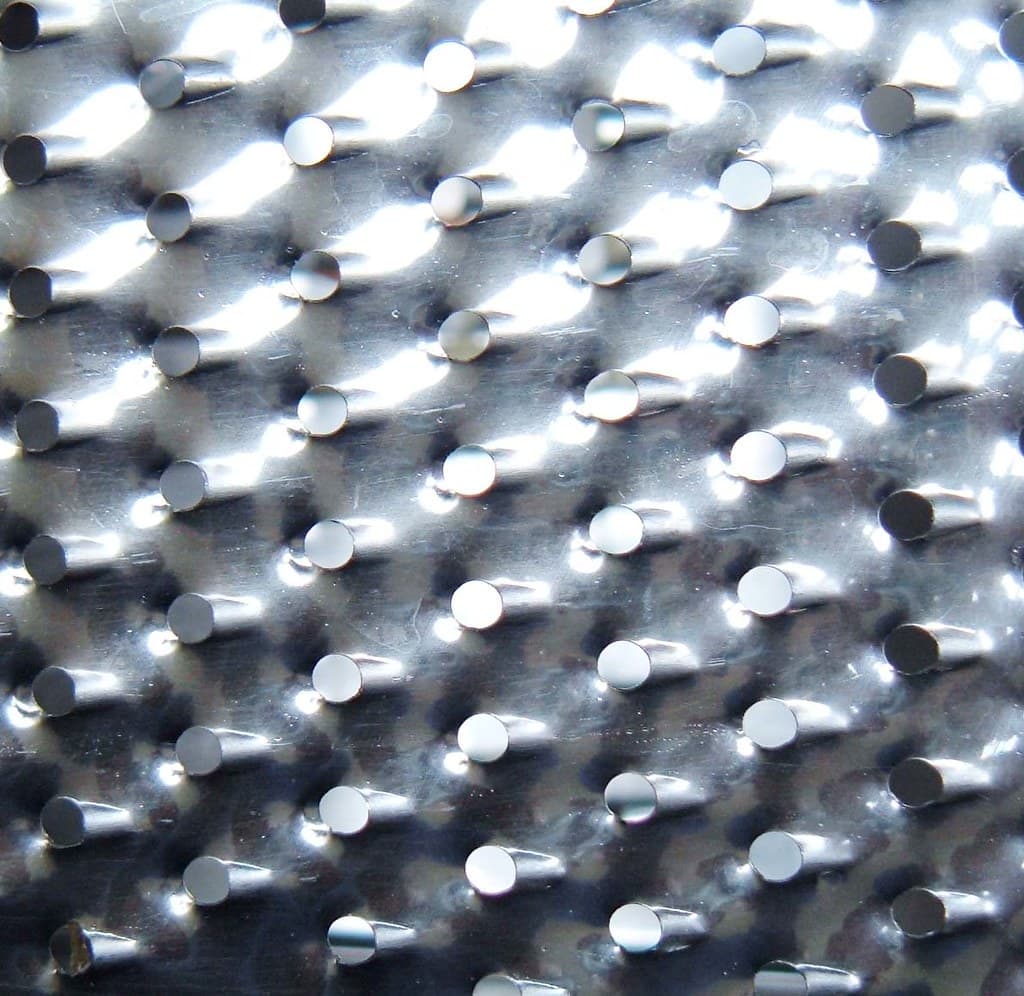
Stainless Steel Corrosion Resistance: Real-World Performance Factors
Stainless Steel Corrosion Resistance: Real-World Performance Factors
Stainless steel is often chosen for its corrosion resistance—but that resistance isn’t guaranteed. In industrial applications ranging from offshore platforms to pharmaceutical piping, premature failure due to localized corrosion (pitting, crevice, stress corrosion cracking) remains a leading cause of unplanned downtime and costly rework. This post clarifies the practical factors—beyond grade designation—that determine how stainless steel performs in service.
It Starts with the Environment—Not Just the Grade
Austenitic grades like 304 and 316 are commonly specified, yet their performance diverges sharply depending on exposure conditions. Chloride concentration, pH, temperature, and stagnant vs. flowing conditions all influence passivation stability. For example:
- 304 may perform reliably in indoor food-handling equipment at ambient temperature but fails rapidly in marine splash zones with intermittent wetting and drying.
- 316’s molybdenum content improves chloride resistance, yet it’s still vulnerable to crevice corrosion under gaskets or deposits above ~60°C in seawater.
Critical takeaway: Always map the actual service environment—not just the nominal category (e.g., "marine" or "chemical")—before finalizing material selection. Include maximum expected chloride ppm, minimum flow velocity, presence of biofilms or scaling agents, and thermal cycling history.
Surface Condition Is a Functional Requirement
Mill finish matters less than what happens after fabrication. Weld discoloration (heat tint), embedded iron particles, grinding debris, or residual chlorinated cleaning agents compromise the passive layer—even on high-grade alloys. Studies show heat tint thicker than 0.1 µm can reduce pitting resistance by up to 50% in chloride environments.
Fabricators should specify surface treatments based on function:
- Pickling + passivation: Required for welded austenitic and duplex components exposed to aggressive media. ASTM A967 or ISO 16048 define acceptable test methods and acceptance criteria.
- Mechanical finishing (e.g., No. 4 brush, BA): Not interchangeable with chemical treatment. A polished surface without proper passivation offers no added corrosion protection—and may trap contaminants.
- Avoid chlorine-based cleaners on-site: Even diluted sodium hypochlorite solutions can initiate pitting in 316. Use citric or nitric acid-based alternatives validated for stainless steel.
Joint Design and Assembly Practices Directly Impact Longevity
Corrosion rarely initiates on open, well-ventilated surfaces. It begins where oxygen diffusion is restricted: under bolt heads, beneath gaskets, inside lap joints, or in threaded connections. These are classic crevice sites—and stainless steel’s passive layer breaks down faster in low-oxygen, acidic microenvironments.
Design mitigation strategies include:
- Eliminating unnecessary crevices (e.g., using welded rather than bolted flanges where feasible).
- Specifying crevice-resistant gasket materials (e.g., expanded PTFE instead of rubberized fabric) with minimal squeeze-out.
- Ensuring full-penetration welds with smooth, continuous profiles—no undercut or overlap that traps moisture.
- Using insulating washers to prevent galvanic coupling between stainless fasteners and carbon steel supports.
Note: Duplex and super duplex grades (e.g., UNS S32205, S32750) offer superior crevice corrosion resistance, but only if properly heat-treated and free of sigma phase. Verify mill certs list solution annealing temperature and time.
Maintenance and Inspection Are Part of Material Specification
Stainless steel isn’t maintenance-free—it’s low-maintenance, provided inspection protocols align with risk. In cooling water systems, biofilm buildup on pipe interiors creates differential aeration cells that accelerate pitting beneath deposits. In pharmaceutical clean-in-place (CIP) lines, repeated thermal cycling can fatigue weld zones and expose sensitized microstructures.
Practical steps for buyers and OEMs:
- Specify inspection frequency and method (e.g., dye penetrant per ASTM E165 for welds, ferrite measurement per ASTM E562 for duplex welds) in procurement documents.
- Require documented cleaning procedures—including dwell times, temperatures, and rinse quality—for all stainless components prior to commissioning.
- Track service history: Localized corrosion often repeats at the same location across multiple replacement cycles, signaling a systemic design or operational issue—not a material defect.
Why Standardized Testing Alone Isn’t Enough
Lab tests (e.g., ASTM G48 ferric chloride pitting test) provide comparative rankings—but they don’t replicate real-world variables like cyclic loading, mixed contaminants, or seasonal humidity swings. A grade passing G48 at 22°C may fail in-field at 45°C with intermittent sulfate/chloride exposure. Likewise, accelerated salt-spray testing (ASTM B117) correlates poorly with atmospheric performance for stainless steel and shouldn’t be used as a qualification metric.
Instead, rely on field-proven data: Ask suppliers for case histories in comparable environments—including failure root causes and corrective actions taken. Review third-party corrosion monitoring reports (e.g., NACE SP0169 for cathodic protection compliance, or ISO 21457 for materials selection in oil & gas).
Conclusion
Corrosion resistance in stainless steel is not an intrinsic, fixed property—it’s an outcome of precise alignment between alloy composition, environmental exposure, surface integrity, mechanical design, and operational discipline. Buyers and fabricators gain reliability not by selecting the highest-nickel grade, but by systematically evaluating each of these interdependent factors before purchase and during installation. When specifying stainless steel, treat corrosion performance as a process requirement—not just a material attribute.
For technical support on environment-specific grade recommendations, surface treatment validation, or weld procedure review, contact our Materials Engineering team. We provide free pre-specification consultations backed by 20+ years of industrial application data.
Готовы заказать нержавеющую сталь?
Свяжитесь с производителем, который отвечает в течение 24 часов.
Получите заводской расчет цены, экспортную упаковку и консультацию по листам, рулонам и трубам.
Избранные продукты
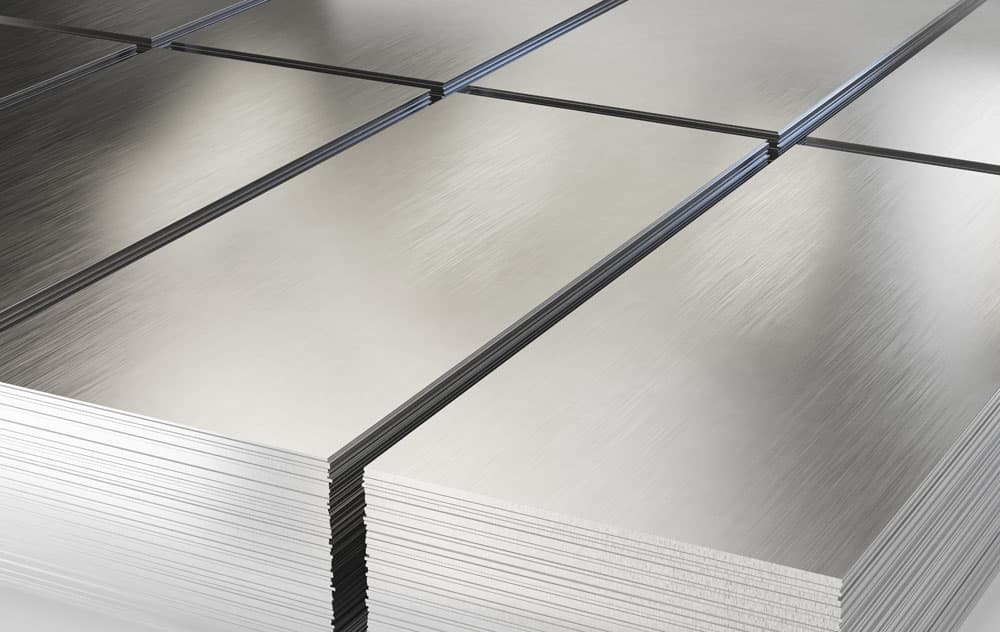
Лист из нержавеющей стали 304/304L
Самый популярный сплав в семействе нержавеющих сталей. Отличная коррозионная стойкость и формуемость.
Рулон нержавеющей стали 316/316L
Сплав с молибденом и повышенной стойкостью к хлоридам.
Круглая труба из нержавеющей стали 201/304
Универсальная круглая труба из сталей 201/304 с хорошей коррозионной стойкостью и формуемостью для конструкционных и декоративных задач.