

Stainless Steel Corrosion Resistance: What Industrial Buyers Should Verify
Stainless Steel Corrosion Resistance: What Industrial Buyers Should Verify
Corrosion resistance is the primary reason many industrial buyers specify stainless steel—but it’s also the most frequently misunderstood property. Unlike passive claims like "rust-proof" or "corrosion-resistant" on datasheets, real-world performance depends on material grade, surface condition, environment, and fabrication history. This post helps procurement managers, importers, OEM engineers, and fabricators verify corrosion suitability before ordering—avoiding costly field failures, rework, or premature replacement.
Why Generalizations Fail
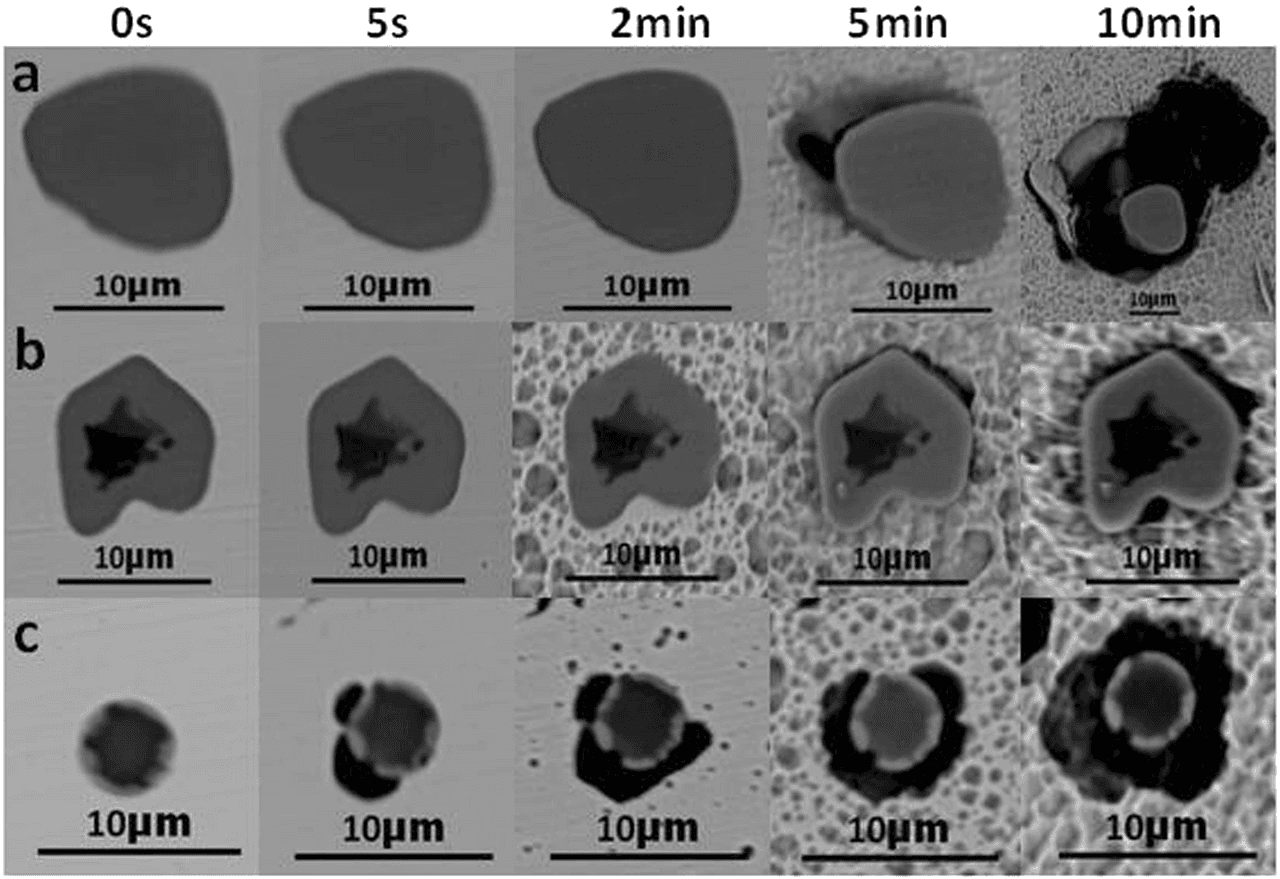
Stainless steels resist corrosion via a self-repairing chromium oxide layer (typically ≥10.5% Cr). Yet this layer is vulnerable to localized breakdown in specific environments. For example:
- 304 stainless performs well in urban atmospheres but suffers pitting in coastal chloride exposure.
- 316L resists chlorides better due to added molybdenum—but still fails in warm, stagnant seawater or acidic bleach solutions.
- Duplex grades (e.g., 2205) offer higher resistance to stress corrosion cracking (SCC) in hot chloride environments—but only if properly heat-treated and free of sigma phase.
Assuming a grade is “suitable” based on broad category labels—e.g., “marine-grade” or “food-safe”—ignores critical variables: temperature, pH, ion concentration, crevice geometry, and surface contamination (e.g., iron particles from grinding tools).
Key Verification Steps Before Procurement
-
Define the Exposure Environment Precisely
- Record actual parameters: chloride content (ppm), pH, temperature range, presence of oxidizers (e.g., hypochlorite), and wet/dry cycling frequency.
- Distinguish between atmospheric, immersion, and crevice conditions. A part mounted in an open-air food processing line faces different challenges than one submerged in a chemical dosing tank.
-
Confirm Material Certification & Heat Treatment
- Request mill test reports (MTRs) showing actual chemistry—not just grade designation. Small deviations in Mo, Cr, or N significantly affect pitting resistance equivalent number (PREN).
- For duplex and super-austenitic grades, verify solution annealing was performed per ASTM A959/A959M and that intergranular precipitates (e.g., sigma phase) were avoided via proper cooling rates.
-
Require Surface Condition Documentation
- Passivation alone doesn’t guarantee performance. If parts are pickled, ask for acid concentration, time, and temperature records—and whether citric or nitric was used. Citric passivation is effective for 304/316 but insufficient for high-alloy grades.
- For welded assemblies, confirm post-weld cleaning (e.g., electropolishing or pickling) removed heat tint and chromium-depleted zones. Unremoved heat tint can reduce corrosion resistance by up to 70% in aggressive media.
Testing Methods That Matter—And When to Use Them
Standardized tests provide objective benchmarks—but only if matched to service conditions:
- ASTM G48 Method A (Ferric Chloride Pitting Test): Best for ranking relative pitting resistance of austenitic and duplex grades. A pass/fail threshold (e.g., no pits after 72 h at 50°C) gives actionable data—but doesn’t predict service life.
- ASTM B117 Salt Spray (Fog) Testing: Useful for comparative evaluation of surface treatments (e.g., passivation vs. electropolish) on identical substrates. Not predictive for atmospheric exposure—only indicates susceptibility under accelerated, artificial conditions.
- Electrochemical Testing (ASTM G5, G61): Measures critical pitting temperature (CPT) and repassivation potential. Required for mission-critical applications (e.g., offshore oil & gas, pharmaceutical water systems), but typically done by third-party labs.
Avoid relying solely on generic “corrosion resistance charts.” They omit variables like surface finish roughness (Ra > 0.8 µm increases crevice risk) or galvanic coupling with adjacent metals (e.g., carbon steel fasteners).
Real-World Failure Patterns to Watch For
Three recurring issues signal inadequate corrosion verification:
- Pitting in Process Piping After 6–12 Months: Often traced to residual chlorides from hydrotesting or inadequate drying—especially in insulated lines where moisture remains trapped.
- Weld HAZ (Heat-Affected Zone) Attack: Visible as dark etching or micro-pitting along weld seams. Indicates either improper post-weld cleaning or use of low-molybdenum filler on a 316 base metal.
- Galvanic Corrosion at Bolted Joints: Occurs when stainless bolts secure aluminum or carbon steel flanges without insulating washers—even with compatible grades.
Each case points to gaps in specification, supplier communication, or quality validation—not inherent material failure.
Practical Next Steps for Buyers
- Specify required test reports in purchase orders: e.g., “MTR per ASTM A666, PREN ≥ 34 for 2205, ASTM G48 Method A pass at 50°C, 72 h.”
- Require batch-level traceability (heat number, melt log) for all orders above 500 kg.
- Conduct incoming inspection on ≥2% of lots: visual check for surface defects, hand-held XRF verification of alloying elements, and spot checks of surface roughness if Ra is specified.
- Partner with suppliers who maintain certified lab capabilities—or provide third-party test coordination (e.g., with SGS, Bureau Veritas, or TÜV).
Corrosion resistance isn’t a feature you assume—it’s a performance criterion you define, verify, and document. By grounding specifications in measurable environmental data and validated test methods, industrial buyers shift from reactive problem-solving to proactive risk mitigation. That’s how long-term reliability gets built—starting at the procurement stage.
Готовы заказать нержавеющую сталь?
Свяжитесь с производителем, который отвечает в течение 24 часов.
Получите заводской расчет цены, экспортную упаковку и консультацию по листам, рулонам и трубам.
Избранные продукты
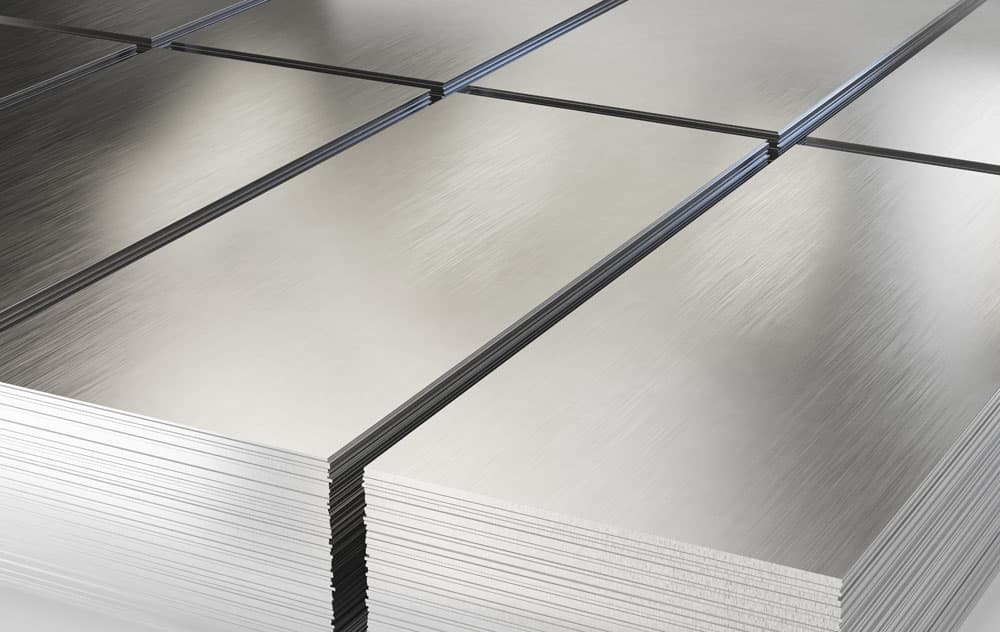
Лист из нержавеющей стали 304/304L
Самый популярный сплав в семействе нержавеющих сталей. Отличная коррозионная стойкость и формуемость.
Рулон нержавеющей стали 316/316L
Сплав с молибденом и повышенной стойкостью к хлоридам.
Круглая труба из нержавеющей стали 201/304
Универсальная круглая труба из сталей 201/304 с хорошей коррозионной стойкостью и формуемостью для конструкционных и декоративных задач.