

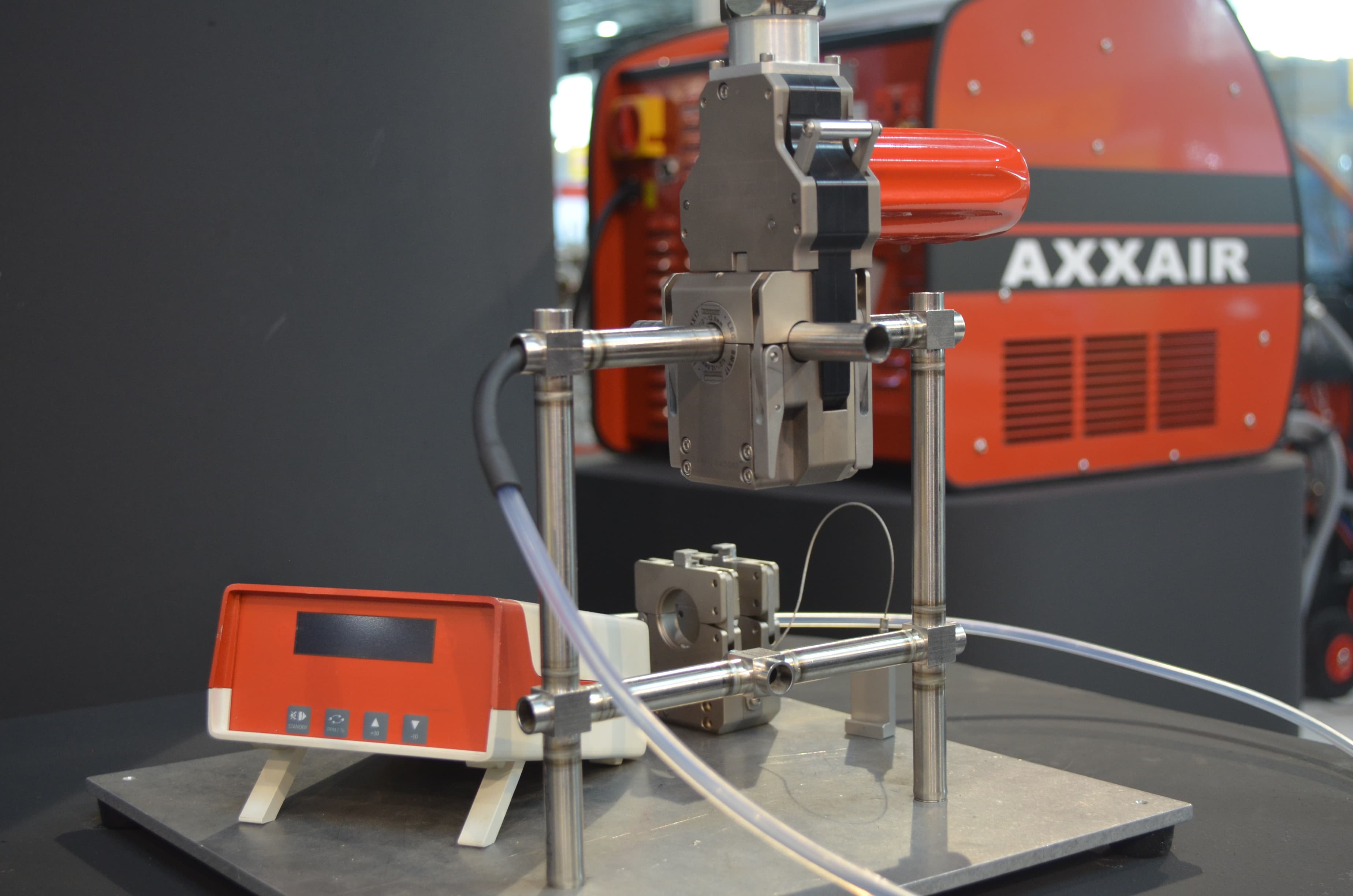
Stainless Steel Welding: Key Considerations for Fabricators
Stainless Steel Welding: Key Considerations for Fabricators
Welding stainless steel differs significantly from carbon steel in both behavior and requirements. For fabricators producing pressure vessels, food-grade conveyors, pharmaceutical piping, or structural components, inconsistent welds can compromise mechanical integrity, surface finish, and—critically—corrosion resistance. This post outlines four actionable considerations that directly impact weld quality, repeatability, and compliance with industry standards (e.g., ASME BPVC Section IX, ISO 15614-1, EN 1011-3).
1. Joint Design Must Account for Thermal Conductivity and Expansion
Stainless steel has lower thermal conductivity (~15 W/m·K for 304) than carbon steel (~50 W/m·K), meaning heat concentrates near the weld zone. It also has a higher coefficient of thermal expansion—about 50% greater than carbon steel. Poorly designed joints exacerbate distortion and residual stress.
- Use narrower groove angles (e.g., 25–30° for V-grooves instead of 35–45°) to reduce heat input and filler volume.
- Prefer double-V or U-grooves for thick sections (>12 mm) to balance penetration and distortion control.
- Avoid excessive root gaps or oversized land widths—these increase dilution risk and encourage cracking in austenitic grades.
- Clamp strategically: use low-thermal-mass fixtures and avoid over-constraining thin sections (<3 mm), where buckling is common.
Fabricators who standardize joint details across similar thicknesses and alloys report up to 30% fewer rework instances related to warpage or incomplete fusion.
2. Filler Metal Selection Must Match Service Conditions—Not Just Base Metal
Matching filler composition to base metal (e.g., 308L for 304) is necessary but insufficient. Service environment dictates critical secondary requirements:
- Chloride exposure (e.g., coastal processing plants): Prefer super-austenitic (e.g., 254 SMO) or duplex (e.g., ER2209) fillers—even when joining standard 316. Their higher Cr, Mo, and N content improves pitting resistance in the heat-affected zone (HAZ), where microstructure degradation occurs.
- High-temperature service (>425°C): Avoid stabilized grades (e.g., 321, 347) with titanium or niobium if post-weld stress relief is not planned. TiC/NbC precipitates may coarsen, reducing creep strength.
- Food/pharma applications: Require low-silicon (<0.10%) fillers to minimize slag inclusion and ensure cleanable surfaces post-weld. Verify filler certifications (e.g., NSF/ANSI 51, 3-A Sanitary Standards) before procurement.
Always review filler data sheets—not just nominal composition—for ferrite numbers (FN). For austenitics, target FN 5–10 to prevent hot cracking while retaining ductility.
3. Heat Input Control Is Non-Negotiable for Microstructure Integrity
Excessive heat input promotes grain growth, sensitization (Cr-carbide precipitation at 425–850°C), and sigma phase formation in duplex grades. Undercutting or lack of fusion results from too little heat.
- Calculate heat input (kJ/mm) using:
(Voltage × Amperage × 60) / (Travel Speed in mm/min). - Target ranges by process:
- GTAW (TIG): 0.5–1.2 kJ/mm for 1–6 mm thickness
- GMAW (MIG): 0.8–1.8 kJ/mm; use pulsed mode for better control on thin gauges
- SMAW: Avoid on sections <3 mm unless using low-hydrogen, small-diameter electrodes (e.g., E308L-16)
- Monitor interpass temperature: ≤150°C for austenitics; ≤100°C for duplex to avoid HAZ embrittlement.
Real-time monitoring (e.g., integrated weld data loggers) helps trace heat history per weld pass—critical for ASME Section VIII audits.
4. Post-Weld Cleaning and Passivation Are Integral to Corrosion Performance
Weld scale, embedded iron particles, and heat tint are not cosmetic issues—they create localized galvanic cells and reduce chromium oxide layer continuity.
- Mechanical cleaning: Use stainless-steel wire brushes dedicated to stainless only. Never reuse tools previously used on carbon steel.
- Chemical cleaning: Citric acid-based passivation (per ASTM A967) is preferred over nitric acid for safety and waste handling. Confirm pH, concentration, time, and temperature match your alloy (e.g., 316 requires longer dwell than 304 due to Mo interference).
- Heat tint removal: Light straw or blue tints (indicating ~250–400°C exposure) must be removed before passivation—even if the part will be polished later. Electrochemical cleaning is most effective for complex geometries.
- Verification: Conduct copper sulfate testing (ASTM A380) on weld zones to detect free iron contamination. Failures require re-cleaning—not just re-passivation.
OEMs supplying to regulated sectors increasingly require documented cleaning logs—including operator ID, lot number, and test results—as part of their PPAP submissions.
Conclusion
Stainless steel welding success hinges on disciplined process definition—not just operator skill. Joint geometry, filler selection, thermal management, and post-weld treatment form an interdependent system. Small deviations compound: excessive heat input raises sensitization risk; improper cleaning negates alloy selection; mismatched filler undermines corrosion margins. For buyers and OEMs, specifying these parameters—not just “weld to code”—in RFQs and purchase orders ensures alignment with fabrication capability and reduces field failures. For fabricators, treating welding as a controlled metallurgical process—not just a joining step—builds credibility, lowers warranty costs, and strengthens long-term supply partnerships.
This guidance reflects current best practices as of May 2026 and aligns with revisions to AWS D18.1:2025 and ISO 15614-1:2024.
Готовы заказать нержавеющую сталь?
Свяжитесь с производителем, который отвечает в течение 24 часов.
Получите заводской расчет цены, экспортную упаковку и консультацию по листам, рулонам и трубам.
Избранные продукты
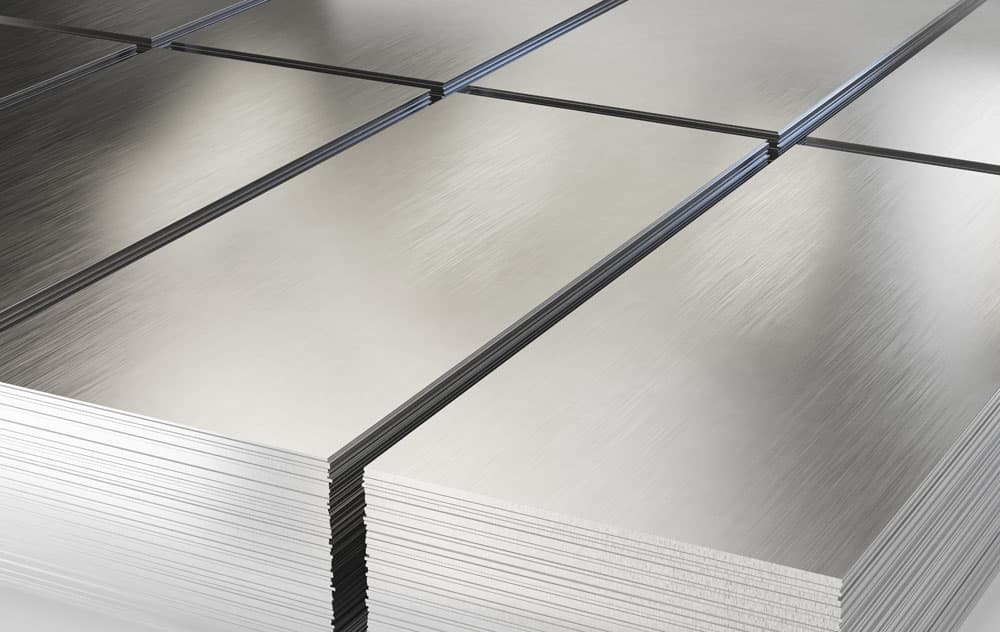
Лист из нержавеющей стали 304/304L
Самый популярный сплав в семействе нержавеющих сталей. Отличная коррозионная стойкость и формуемость.
Рулон нержавеющей стали 316/316L
Сплав с молибденом и повышенной стойкостью к хлоридам.
Круглая труба из нержавеющей стали 201/304
Универсальная круглая труба из сталей 201/304 с хорошей коррозионной стойкостью и формуемостью для конструкционных и декоративных задач.